Wild and Free
Off-grid living, minus the nonsense
Honest advice for people who want a simpler life. No judgment. Just the truth.
Get the free guideSun · Water · Shelter
Off-grid life looks easy on Pinterest. In real life it takes some maths, some patience and a good sense of humour. We tell you the truth first, so you can start with your eyes open and your money safe.
The Zero-BS Way
Be curious, not clueless
Most people go off-grid for a mix of reasons. Lower bills. More freedom. Less worry when the power goes out. Some just want peace and quiet, without the neighbour's leaf blower.
Know your reasons first. They decide how big your system needs to be. Start small, learn what you really use, then build up.
Plan for your worst week, not your best afternoon.
Power
Sun, battery, inverter
Size your system for cloudy days. Add up what you use, then plan for 2 to 3 days with no sun.
Water
Source, filter, store
Real homes use far more than a gallon a day. Filter in layers, because clear water is not always safe.
Shelter
Start small, start warm
A van, a tiny house or a cabin. Good insulation beats almost any gadget.
Food
Grow it, keep it
Raised beds are an easy start. Plant only what you can eat or preserve.
Budget
Pay once, plan well
The upfront cost is the big one. Buy used where it is safe and new where safety matters.
Start your own off-grid life here with these practical Digital Downloads!
Digital Downloads
Guides and tools you can use today
Place by place
Where will you start?
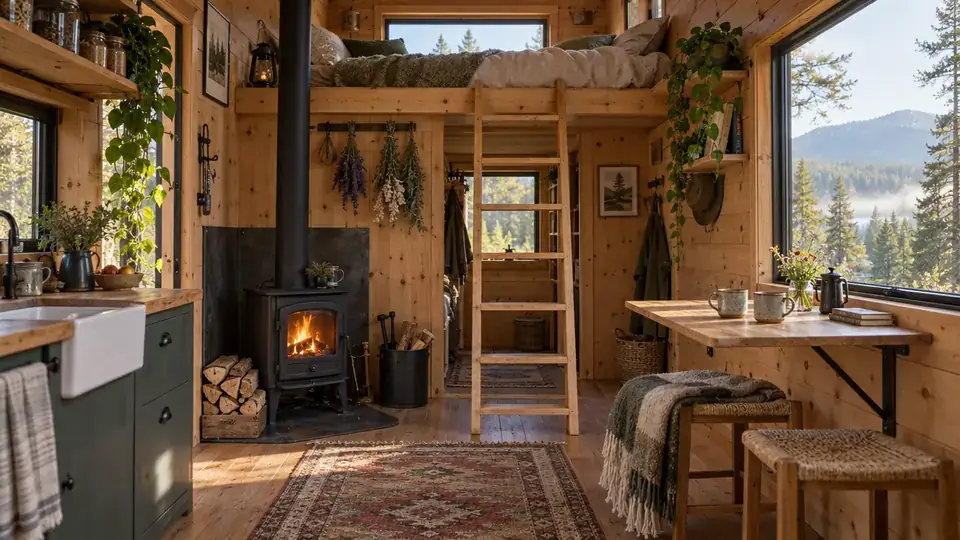
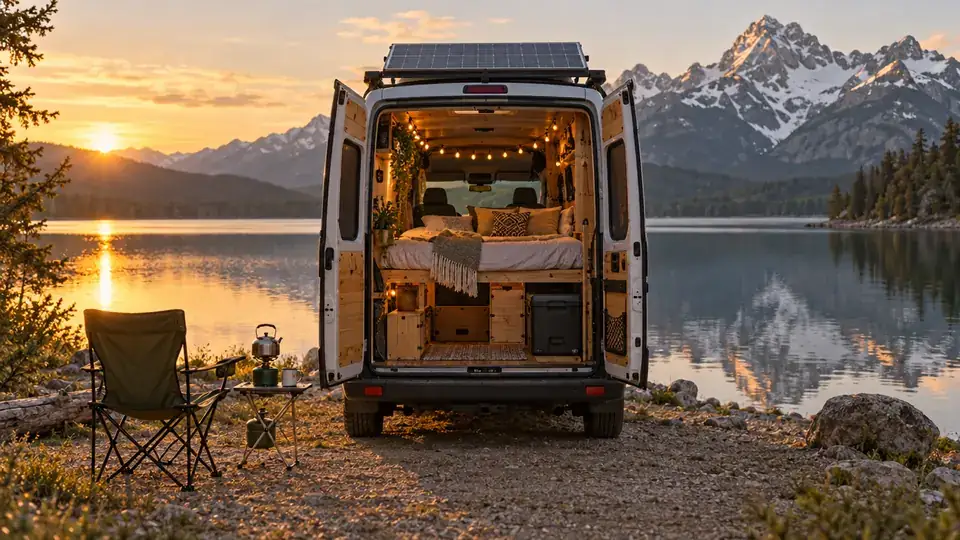
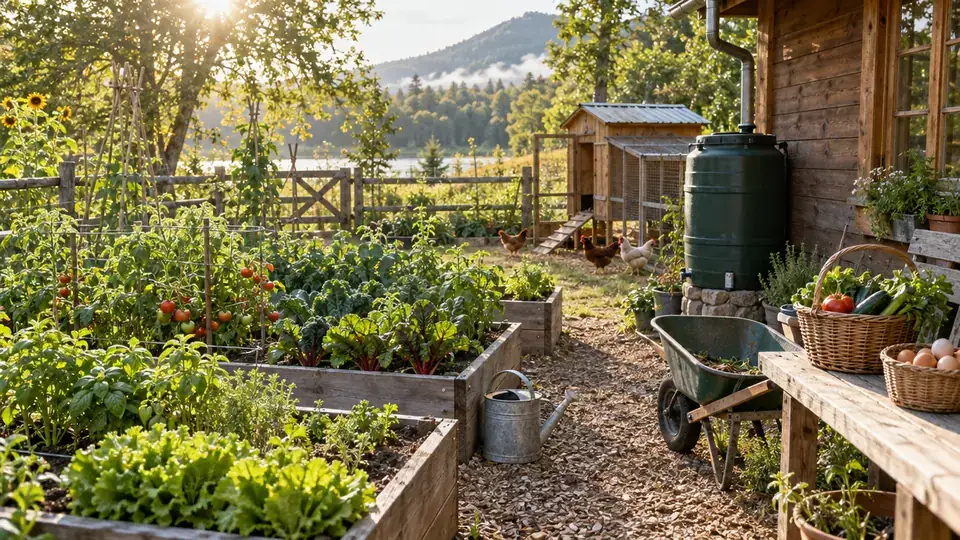
A tiny house with a wood stove. A van by a lake. A homestead with a few chickens. Each one has its own rules, and its own surprises.
Start here
New to off-grid living?
Three easy places to begin. Learn the idea, check the basics, or go straight to the finds.
What is off-grid living?
The short answer
It means making your own power and water, and handling your own waste, instead of relying on city services.
It can be a full-time home or a van you test for a summer. There is no one right way.
Power, Water and Budget basics
The big three
- Power: panel, charge controller, battery, inverter.
- Water: plan for 10 to 20 gallons per person per day.
- Budget: a basic solar set-up can run from under $1,000 to $12,000.
Special Finds
Gear we would buy
A portable power station. A gravity water filter. A raised bed kit. Start with one find or one download, then build from there.
Shop